Source CNG Hose for Fuel Systems, LPG, and Industrial Use
Find 30 verified CNG hose options suitable for fuel systems, LPG, and industrial applications. Compare specifications including pressure ratings, temperature ranges, and customization features from multiple suppliers in China.
Key considerations
Products List

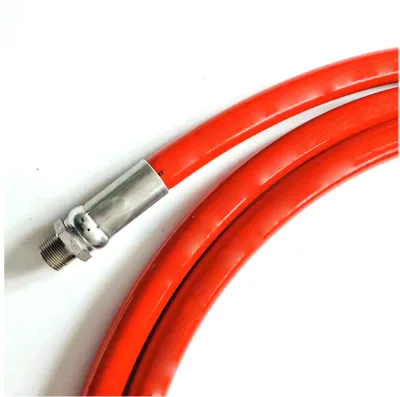


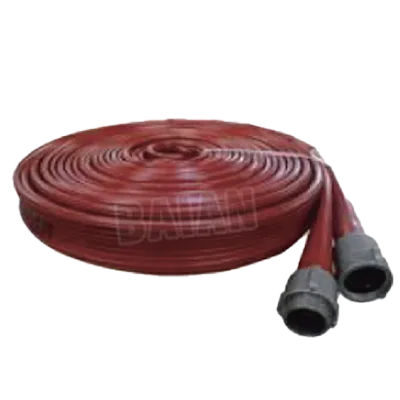


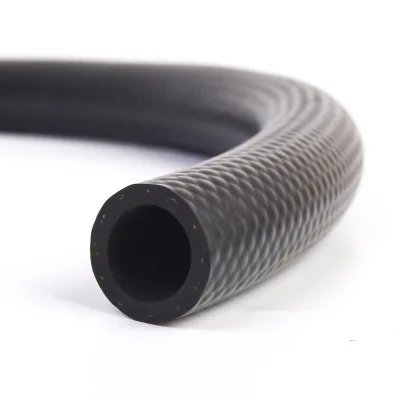


Comprehensive Sourcing Guide
Strategic Sourcing Guide for CNG Hose Procurement
Understanding Technical Specifications and Material Composition
When sourcing Compressed Natural Gas (CNG) hoses, buyers must first distinguish between general industrial rubber air hoses and specialized CNG transmission lines. The market offers products labeled as "Rubber Air Hose" with capabilities for oil, water, and air, yet the specific requirements for CNG systems demand higher integrity. The core product category identified in current listings includes "CNG Hose" and "Fuel Hose," often featuring a working pressure of 5 Bar (72.5 Psi) in general industrial contexts, while specialized CNG variants may boast burst pressures up to 20,000 Psi. This significant variance necessitates precise verification of the intended application pressure before procurement.
The material composition is the primary determinant of safety and longevity. High-performance CNG hoses typically utilize EPDM (Ethylene Propylene Diene Monomer) rubber or synthetic rubber resistant to oil and fuel. The inner tube, which comes into direct contact with the gas, can be manufactured from rubber, PVC, or thermoplastic materials, with customization available to meet specific chemical resistance needs. Reinforcement layers are critical for containing high-pressure gas; observed configurations include synthetic fiber, wire, or a single layer of textile braid. The outer cover serves as a protective barrier against environmental factors and is often described as anti-abrasive synthetic rubber, fiber braid, or thermoplastic, designed to be resistant to oils, corrosion, and wear.
Temperature tolerance is another vital technical parameter. While general industrial hoses may operate within a range of -30°C to 65°C, specialized CNG hoses are engineered to withstand extreme conditions, with observed ranges extending from -40°C to +100°C or even up to 120°C. Buyers must verify that the selected hose can maintain flexibility and structural integrity within the specific thermal environment of their vehicle or industrial system. The size specifications are equally diverse, ranging from 1/4" to 2" for specific models, with outer diameters and lengths (20, 30, 40, 60, or 100 meters) often available as customized options to fit unique installation requirements.
Compliance, Certification, and Safety Standards
Navigating the regulatory landscape for CNG hoses requires rigorous attention to certifications, as the stakes involve high-pressure gas transmission. The supply chain data indicates the presence of several recognized certifications, including CE, ISO, SGS, and MSHA. These marks suggest adherence to international quality management systems and safety standards, but buyers must treat these as observations of supplier capability rather than universal guarantees for every listed SKU. The "Certificate" field in some listings notes that details should be requested directly, implying that certification status may vary by specific model or batch.
For CNG applications, the hose must meet specific industry standards regarding flame retardancy and abrasion resistance. The observed product features explicitly mention "Flame Retardant" and "Wear-Resistant" characteristics, which are non-negotiable for fuel and gas transmission lines. The "MSHA" certification, in particular, is relevant for mining and heavy industrial environments where gas safety is paramount. Buyers should verify that the specific hose model they intend to purchase carries the necessary approvals for their jurisdiction, as standards for CNG infrastructure can differ significantly between regions.
Furthermore, the fittings and connectors play a crucial role in system compliance. The market offers NPT (National Pipe Thread) and BSP (British Standard Pipe) fittings made from carbon steel or stainless steel. The specific "No-Skive Type CNG-Xx" ferrule design observed in some listings indicates a specialized connection method designed to prevent leaks and ensure a secure seal under high pressure. Procurement teams must ensure that the fittings supplied match the hose specifications and are compatible with the existing vehicle or system architecture. Relying on generic fittings without verifying their pressure rating against the hose's burst pressure (e.g., 20,000 Psi) can lead to catastrophic failure.
Cost Drivers and Pricing Dynamics
The pricing structure for CNG hoses is influenced by a complex interplay of material costs, manufacturing complexity, and order volume. The observed price range in the market spans from $0.01 to $850 USD, a vast disparity that reflects the difference between small, single-item purchases and bulk industrial orders. The Minimum Order Quantity (MOQ) also varies significantly, ranging from a single roll to 5,000 units. This flexibility allows buyers to scale their procurement based on immediate needs, though larger orders typically unlock better unit economics.
Several factors drive the final cost of a CNG hose. First, the material selection is a primary cost driver; EPDM and high-grade synthetic rubbers are more expensive than standard PVC or basic rubber compounds. Second, the reinforcement layer adds cost; hoses with wire reinforcement or multiple layers of textile braid command a higher price than those with single-layer fiber reinforcement. Third, customization plays a significant role. Hoses with custom lengths, specific inner tube materials (thermoplastic vs. rubber), or specialized fittings (stainless steel vs. carbon steel) will incur higher manufacturing costs compared to standard off-the-shelf items.
The packaging method also impacts the total landed cost. Options include woven belt spirals, pallets, or hose reels. While a hose reel might be more convenient for installation, it may add to the packaging cost compared to a simple roll. Buyers should analyze the total cost of ownership, including shipping and handling, rather than focusing solely on the unit price. For instance, a lower-priced hose with a high MOQ might result in excess inventory costs, whereas a higher-priced hose with a low MOQ might be more economical for a pilot project. Understanding these variables allows procurement teams to negotiate effectively and align purchases with budget constraints.
Typical Applications and Industry Use Cases
CNG hoses are primarily designed for use in motor vehicles and industrial systems where compressed natural gas is the fuel source. The "Involved Field" data confirms their application in CNG transmission systems, including fuel lines for CNG vehicles. These hoses are engineered to handle the specific properties of natural gas, which differs from liquid fuels in terms of permeability and pressure requirements. The ability to resist oil and fuel, as noted in the product attributes, ensures that the hose remains functional even in environments where cross-contamination might occur.
Beyond automotive applications, these hoses are suitable for LPG (Liquefied Petroleum Gas) and CNG hose systems in industrial settings. The versatility of the product, with options for "Rubber Air Hose" capabilities, suggests that some models can be adapted for broader pneumatic applications, provided the pressure ratings are not exceeded. The "Working Pressure" of 5 Bar is suitable for lower-pressure industrial tasks, while the "Burst Pressure" of 20,000 Psi indicates that specialized variants are built for high-pressure transmission lines found in heavy-duty transport or refueling stations.
The temperature range of -30°C to 120°C makes these hoses suitable for diverse climatic conditions, from cold winter operations to hot summer environments. This thermal resilience is essential for outdoor installations and vehicles that operate in extreme weather. The "Black Abrasion, Corrosion and Oil Resistant" attributes highlight their durability in harsh environments, making them ideal for mining, construction, and transportation sectors where equipment is subjected to constant wear and tear. Buyers should match the specific application requirements, such as the type of gas being transported and the operating temperature, to the hose specifications to ensure optimal performance and safety.
Supplier Evaluation and Manufacturing Capabilities
Evaluating potential suppliers for CNG hoses requires a deep dive into their manufacturing capabilities and track record. The observed data points to suppliers located in Hengshui and Zhejiang, China, with companies like "Hengshui Yinli" and brands such as "HAIKUO" appearing in the market. While specific supplier names should not be recommended, the presence of these entities indicates a concentrated manufacturing hub in China known for rubber and hose production. Buyers should verify the supplier's ability to provide OEM services, as the "Customization" attribute is a key differentiator in this market.
Manufacturing processes such as molding and cutting are standard, but the ability to customize the inner tube material, reinforcement layer, and outer cover is a sign of a robust supplier. The "Processing Service" capabilities, including the ability to produce hoses in various lengths (20 to 100 meters) and sizes (1/4" to 12"), suggest that suppliers can tailor products to specific project needs. Buyers should assess the supplier's quality control systems, particularly their adherence to the mentioned certifications like ISO and SGS. A supplier with a strong track record in producing hoses for CNG systems will likely have established protocols for testing burst pressure, temperature resistance, and abrasion durability.
The "Company" and "Brand Name" fields provide insight into the supplier's identity, but buyers must look beyond the brand to the actual production facility. Questions regarding the supplier's capacity to meet large MOQs (up to 5,000 units) and their lead times for custom orders are essential. Additionally, the availability of specific fittings, such as the "No-Skive Type CNG-Xx" ferrule, indicates a supplier's ability to provide a complete system solution rather than just the hose itself. A comprehensive supplier evaluation should include a review of their past projects, client references, and their ability to provide detailed technical documentation for each product batch.
Quality Control and Long-Term Procurement Considerations
Ensuring the quality of CNG hoses is paramount due to the safety risks associated with high-pressure gas transmission. Buyers should implement a rigorous quality control process that includes verifying the material composition, reinforcement integrity, and pressure ratings of each batch. The observed attributes, such as "Good Adhesion," "Wear Resistant," and "Flexible," should be validated through third-party testing or supplier-provided test reports. The "Certificate" field's note to "Please. for Details" suggests that buyers must actively request and review specific test data rather than assuming compliance based on general certifications.
Long-term procurement considerations involve establishing a reliable supply chain that can deliver consistent quality over time. The variability in observed specifications, such as different temperature ranges and pressure ratings, highlights the need for clear communication with suppliers regarding exact requirements. Buyers should develop a specification sheet that details the required inner tube material, reinforcement type, outer cover properties, and fitting compatibility to avoid receiving non-compliant products. Regular audits of the supplier's manufacturing process and quality control measures can help maintain high standards.
Furthermore, the long-term performance of CNG hoses depends on proper installation and maintenance. Buyers should educate their technical teams on the correct handling and installation procedures to prevent premature failure. The "Selling Units" being listed as "Single item" suggests that individual replacements are common, but for large fleets or industrial plants, bulk procurement with a focus on standardization is more efficient. By focusing on quality, customization, and supplier reliability, buyers can ensure a safe and efficient CNG infrastructure that meets the demanding requirements of modern transportation and industrial applications.
FAQs
What certifications do CNG hoses typically have?
CNG hoses often carry CE, ISO, SGS, and MSHA certifications. Buyers must verify that specific models possess these marks, as some listings note details are available upon request rather than guaranteed for every SKU.
How is the temperature range defined for these hoses?
Temperature tolerance varies from -30°C to 65°C for general industrial use, while specialized CNG variants withstand -40°C to +120°C. Select the hose based on the specific thermal environment of your vehicle or system.
Which materials are used for the inner tube?
The inner tube can be made of rubber, PVC, or thermoplastic materials. Customization is available to meet specific chemical resistance needs, ensuring the hose remains functional in environments with potential cross-contamination.
Can the hose be customized for specific lengths?
Yes, lengths such as 20, 30, 40, 60, or 100 meters are available. Suppliers offer customization for outer diameters and sizes, allowing buyers to tailor products to unique installation requirements without compromising structural integrity.
What is the burst pressure capability of CNG hoses?
Burst pressure can reach up to 20,000 Psi for specialized CNG variants. General industrial hoses may have lower working pressures, so verifying the specific burst rating against system requirements is essential for safety.
Where are these hoses manufactured?
Manufacturing origins include Hengshui and Zhejiang, China. Buyers should evaluate suppliers in these regions for their capacity to meet large order volumes and their adherence to international quality management systems.